
17 learners enrolled
all-levels
This course includes
- — on-demand video
- Access on mobile & desktop
- Full lifetime access
- Certificate of completion
Course content
11 sections · 99 lectures · 13 total hours
- Lec-01 : Introduction Preview
- Lec-02 : Software Crisis
- Lec-03 : Prototype Model
- Lec-04 : Software Life Cycle Model
- Lec-05 : Changing nature of software
- Lec-06 : Waterfall model
- Lec-07 : Spiral model
- Lec-08 : Software quality
- Lec-09 : SEI CMM
- Lec-10 : What is ISO 9001 ?
- Lec-11 : Process flow | Linear & Iterative Preview
- Lec-12 : Process model
- Lec-13 : Process Assessment
- Lec-14 : Personal software process
- Lec-15 : Team software process
- Lec-16 : Unified process | 5 - Stages
- Lec-17 : Incremental model
- Lec-18 : RAD model
- Lec-19 : Specialized process model
- Lec-20 : Information flow metric Preview
- Lec-21 : Software metrics
- Lec-22 : Software myths
- Lec-23 : LOC | Line of Code
- Lec-24 : Functional point analysis - 1
- Lec-25 : Functional point analysis - 2
- Lec-26 : Software Project planning Preview
- Lec-27 : Cost estimation
- Lec-28 : Static Single variable model
- Lec-29 : Static Multivalued model
- Lec-30 : Single & Multivalued model Examples | Static
- Lec-31 : COCOMO model - 1
- Lec-32 : COCOMO model - 2
- Lec-33 : COCOMO model - 3
- Lec-34 : Ground work Establishment - 1
- Lec-35 : Ground work Establishment - 2
- Lec-36 : Scenario based modeling
- Lec-37 : Risk management
- Lec-38 : Risks in project management
- Lec-39 : Requirement Engineering Preview
- Lec-40 : Problem analysis methods | 7-Steps
- Lec-41 : Data flow diagram
- Lec-42 : Data dictionary
- Lec-43 : Entity relationship diagram
- Lec-44 : UML model
- Lec-45 : Software requirement specification
- Lec-46 : software prototyping
- Lec-47 : Behavioral & Non - behavioral requirements
- Lec-48 : Prototyping in software process
- Lec-49 : Cohesion Preview
- Lec-50 : Cohesion Classification
- Lec-51 : Software Design
- Lec-52 : Coupling
- Lec-53 : Coupling classification
- Lec-54 : Software architecture
- Lec-55 : Object Oriented Design
- Lec-56 : Function Oriented Design
- Lec-57 : User interface design
- Lec-58 : Architecture geners Preview
- Lec-59 : Architectural styles - 1
- Lec-60 : Architectural styles - 2
- Lec-61 : Architectural styles - 3
- Lec-62 : Assessing alternative Architectural design -1
- Lec-63 : Assessing alternative Architectural Design - 2
- Lec-64 : Assessing alternative Architectural design - 3
- Lec-65 : Architectural design
- Lec-66 : User interface Golden rules Preview
- Lec-67 : User interface analysis & Design - 1
- Lec-68 : User interface analysis & Design - 2
- Lec-69 : User interface analysis & Design - 3
- Lec-70 : Interface design steps
- Lec-71 : Web design goals Preview
- Lec-72 : Quality dimensions for end users
- Lec-73 : Web application design quality
- Lec-74 : Design pyramid for webapps
- Lec-75 : Component level design
- Lec-76 : Interface design principle - 1
- Lec-77 : Interface design principle - 2
- Lec-78 : Interface design principle - 3
- Lec-79 : Aesthetic design
- Lec-80 : Content design
- Lec-81 : Navigation design
- Lec-82 : Content & Web app architecture
- Lec-83 : Maintenance process Preview
- Lec-84 : Software maintenance
- Lec-85 : Software maintenance Models - 1
- Lec-86 : Software maintenance Models - 2
- Lec-87 : Re-engineering
- Lec-88 : Re-engineering & Configuration management
- Lec-89 : Reverse engineering
- Lec-90 : White box testing Preview
- Lec-91 : Unit testing
- Lec-92 : System testing
- Lec-93 : Software testing
- Lec-94 : Regression testing
- Lec-95 : Gray box testing
- Lec-96 : Black box testing
- Lec-97 : Integration testing - 1
- Lec-98 : Integration testing - 2
- Lec-99 : Integration testing - 3
Explore related topics
Description
Software Engineering(SE) is an exam-focused computer science study programme designed for B.Tech / MCA learners and anyone revising CS subjects for semester exams (all levels). Lessons are paced for semester revision and competitive practice, with clear explanations you can replay anytime.
You will connect definitions to exam-style problems in Software Engineering(SE), so you can write clearer answers, dry-run code mentally, and revise units in order. Syllabus highlights include Introduction & Models, Software Process & Models, Software Metrics, Cost estimation, Software Requirement Analysis & Specifications, and Software design. Across 99 lessons, you will move from foundations to problem-solving patterns that show up in university papers and placement tests.
Taught by DAKALA SREENIVASULU, this course keeps theory short and practice heavy—so you can revise faster, spot examiner cues, and build confidence before mocks and finals.
Instructor
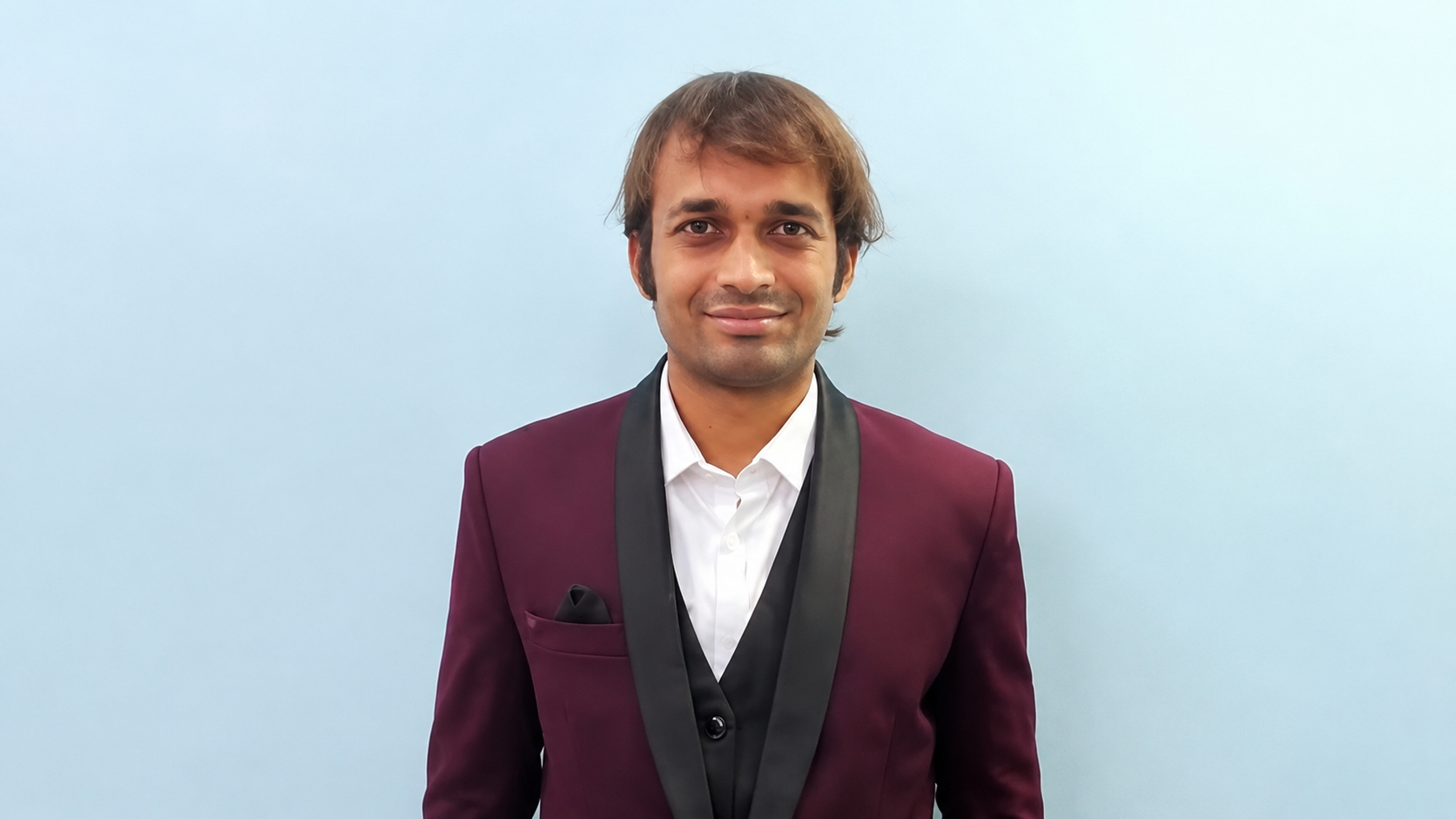
Course director · Semester exams
<p>Faculty lead for Education4U exam-focused programmes across aptitude, reasoning, computer science, electrical and electronics.</p>
More courses by this instructorStudent feedback
Reviews will appear here as learners complete the course.
Students also viewed