
32 learners enrolled
all-levels
This course includes
- — on-demand video
- Access on mobile & desktop
- Full lifetime access
- Certificate of completion
Course content
11 sections · 77 lectures
- Lec-01 : What is Distributed systems ? Preview
- Lec-02 : Characteristics
- Lec-03 : applications?
- Lec-04 : Distributed system with example
- Lec-05 : Architecture
- Lec-06 : Advantages, Dis- advantages & Issues
- Lec-07 : Distributed computing models Preview
- Lec-08 : Client - Server Architectural model
- Lec-09 : Peer - Peer Architectural model
- Lec-10 : Fundamental models
- Lec-11 : Network operating system Preview
- Lec-12 : Distributed OS
- Lec-13 : Middleware OS
- Lec-14 : Communication in Distributed Systems
- Lec-15 : Communication protocols
- Lec-16 : Layered protocol - 1
- Lec-17 : Layered protocol - 2
- Lec-18 : Introduction | Remote procedure call Preview
- Lec-19 : Steps | Remote procedure call
- Lec-20 : Example | Remote procedure call
- Lec-21 : Implementation issue with Example
- Lec-22 : Advantages & Dis advantages
- Lec-23 : RMI architecture Preview
- Lec-24 : Stub & Skeleton
- Lec-25 : RMI working
- Lec-26 : Message passing model
- Lec-27 : Modeling channel & processeor in message passing
- Lec-28 : Introduction | Bully algorithm
- Lec-29 : Example | Bully algorithm
- Lec-30 : Ring algorithm in distributed system
- Lec-31 : Ring algorithm example
- Lec-32 : message passing interface (MPI)
- Lec-33 : Parallel virtual machine (PVM)
- Lec-34 : PVM vs MPI
- Lec-35 : Process & Threads Preview
- Lec-36 : Difference : Process & Threads
- Lec-37 : Threads in distributed system
- Lec-38 : Code migration
- Lec-39 : Migration models
- Lec-40 : Resource migration
- Lec-41 : Software agents
- Lec-42 : Distributed objects
- Lec-43 : Evaluation : Distributed objects
- Lec-44 : CORBA features Preview
- Lec-45 : CORBA architecture - 1
- Lec-46 : CORBA architecture - 2
- Lec-47 : CORBA : Service, Adv & Dis-adv
- Lec-48 : Synchronisation Preview
- Lec-49 : Introduction : Clock synchronisation
- Lec-50 : Types : Clock synchronisation
- Lec-51 : physical clock
- Lec-52 : physical clock UTC
- Lec-53 : Algorithm : physical clock
- Lec-54 : Berkeley physical clock algorithm
- Lec-55 : Logical clocks
- Lec-56 : Lamport logical clock algorithm - 1
- Lec-57 : Lamport logical clock algorithm - 2
- Lec-58 : Distributes mutual exclusion Preview
- Lec-59 : Transaction execution
- Lec-60 : Distributed transaction
- Lec-61 : Two phase commit protocol
- Lec-62 : Security
- Lec-63 : Security mechanisms
- Lec-64 : Introduction : Distributed database Preview
- Lec-65 : Types : Distributed database
- Lec-66 : Architecture : Distributed database
- Lec-67 : Fragmentation : Distributed database
- Lec-68 : Data replication : Distributed database
- Lec-69 : Query processing & Optimization
- Lec-70 :Distributed transaction model
- Lec-71 :Recovery in distributed database
- Lec-72:concurrency problems in distributed database
- Lec-73 :Concurrency control in distributed database
- Lec-74 :Introduction : Parallel databases Preview
- Lec-75 :Parameters : Parallel databases
- Lec-76 :Types of architecture : Parallel databases
- Lec-77 :parallel query evaluation
Explore related topics
Description
Distributed Systems is an exam-focused computer networking programme designed for B.Tech / MCA learners and anyone revising CS subjects for semester exams (all levels). Lessons are paced for semester revision and competitive practice, with clear explanations you can replay anytime.
You will connect definitions to exam-style problems in Distributed Systems, so you can write clearer answers, dry-run code mentally, and revise units in order. Syllabus highlights include Overview, Models, Operating Systems, Remote procedure call, RMI, and Process Concepts. Across 77 lessons, you will move from foundations to problem-solving patterns that show up in university papers and placement tests.
Taught by DAKALA SREENIVASULU, this course keeps theory short and practice heavy—so you can revise faster, spot examiner cues, and build confidence before mocks and finals.
Instructor
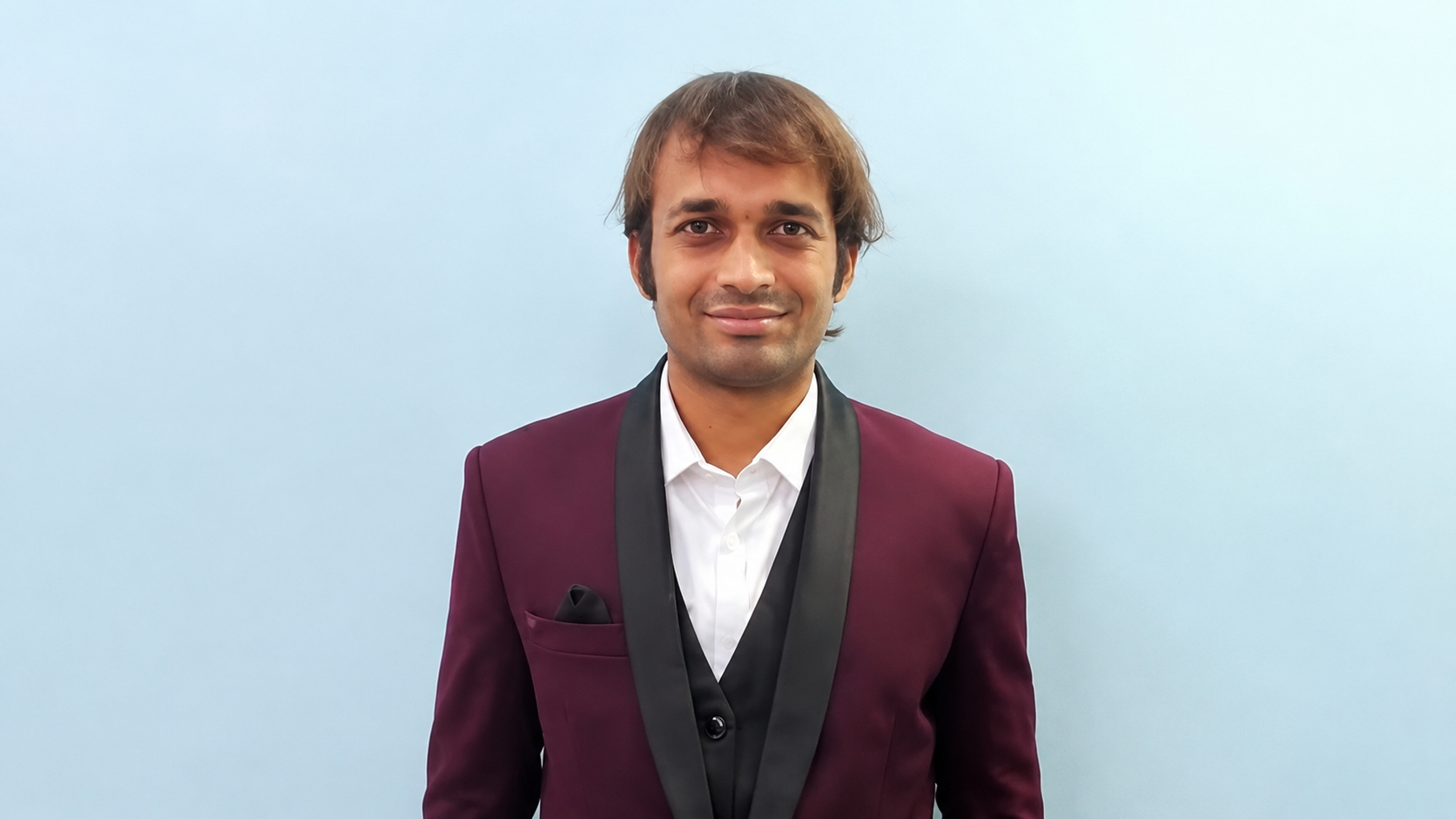
Course director · Semester exams
<p>Faculty lead for Education4U exam-focused programmes across aptitude, reasoning, computer science, electrical and electronics.</p>
More courses by this instructorStudent feedback
Reviews will appear here as learners complete the course.
Students also viewed